
Our History

The Past, Present and Future
Introduction
Methodist Theological School has been in existence for 46 years. Owing to the pressing needs for local church leadership, the political and economic conditions, and the vision of developing the churches and missions in this millennium, the idea of starting afresh a proper theological education germinated in the minds of the church leaders since 1989. 1996 marked a new beginning of offering the full degree course. The school is old historically, but young academically. However, the features of the school need to be stressed here. It is solely run and managed by the Methodist Church in Malaysia, especially Sarawak Chinese Annual Conference (SCAC) and Sarawak Iban Annual Conference (SIAC), but it is open to all churches. Its unique ministry is to provide theological education to train the pastors for both the Chinese churches and the Iban churches in particular. Its education focus is on balanced theological and practical training, with main emphasis on the Wesleyan heritage, following the 4 pillars of Wesleyan theology. The Bible, Tradition, Reasoning and Experience, and the “Worship and Music “ Ministry.
 
Directions
In order to achieve the expected standard of theological training, we decide to take the following directions.
1. Our theological education should be biblical. Our students should be assured that the Bible is the Word of God. They should be able to interpret and proclaim it correctly. Therefore, our curriculum stresses on exegetical method, Biblical theology and exegesis.
2. Our theological education should be evangelical. Our curriculum is arranged to help students understand the gospel. To deepen their commitment to it and to encourage them to preach it to others in the power of the Holy Spirit, every Friday afternoon, students are assigned to evangelize to all walks of life.
3. Our theological education should be Scholarly. The School not only demands a thoughtful, disciplined and earnest approach to the Bible, but also learn from the accumulated experiences and wisdom of the church, with special emphasis on the Wesleyan heritage.
4. Our theological education should be comprehensive and balanced. We firmly believe that theological education is more than lectures heard, books read, library visited, self-study hours kept and assignments completed, it also involves worship in Chapel, personal devotion, fasting and prayer, participation in lesson discussion, community life, conduct, leadership and contribution to the community.
5. Our theological education should be contemporary. On one hand, we should know the Bible well. But on the other hand, we should discern the needs of the people, society and global community in this new millennium. The teachers and students are encouraged to have access through internet to the most current news, information and knowledge which will in one way or the other help them to contextualize their theology, and be creative in doing theology. We also subscribe more magazines, newspapers, journals and reviews, and organize different kinds of seminars to keep our theological education contemporary.
6. Our theological education should church-oriented. It should meet the needs of the church. As our church stresses different forms of ministry, e.g. Christian Education, Missions, Social Concern, Music, Counseling, Evangelism, Discipleship, Youth work, Literature Work, Mass Media, we should prepare the students to know their spiritual gifts clearly within the period of training so that they can work together to serve the church more effectively with their specialty. Therefore, we work toward a program whereby the students are prepared to know their gifts. Before the final year of their study, they must go for practical work in the area of their special interest according to the gifts. In the final year, they are demanded to write a special research paper on that area with 6 credit hours. After a few years of pastoral ministry, when their gifts are confirmed, the church can appoint them to serve in the areas of their specialty.
7. Our theological education should be practical. Our school emphasizes on the significance of field education. The students should learn to apply what they study into field works, either in the church or organizations they attach to. Field Education Seminars will be held from time to time to make sure that our students do well and improve themselves in field ministry.
In order to realize and materialize the directions/visions mentioned above, a few future plans and projects are laid out.
 
Plans and Projects
A. Short Term Plans and Projects (1999-2002AD)
1. “Evangelism Explosion III” and “Disciples” courses as compulsory electives are planned.
2. “Assignment Assessment Form” is designed and used to ensure that our academic standard is reached.
3. The school has devised the “Student’s Conduct Appraisal” and “Disciplinary Guide” to guide students to have good conduct.
4. A Computer Room is set up for the teachers and students for exchanging the latest news and information.
5. We have appointed a Dean of Field Education, and co-ordinate a few experienced pastors to serve as field supervisors. “Student’s Field Education Performance Evaluation” and “Field Education Supervisor’s Report” forms have been designed to help achieve this aim.
6. Building New Hostel (2002AD and beyond). The existing Boys and Girls’ hostels and the barrack are built more than 40 years ago, with the capacity to take about 40 students. Both the SCAC and SIAC plan to send in 100 students by 2000 AD and beyond, expecting 20-25 students, together with the huge influx of Short Term Missions School students each year. We are planning to build hostels, which will at least accommodate 100-120 students.
7. Faculty development: We intend to send one or two experienced training entry year.
8. Establishment of Theological Education by Extension (TEE) Department: The main aim is to provide basic theological training for the lay people so that they can serve more effectively in their own capacity. This Department can work closely together with the Board of Laity of both SCAC and SIAC in the following ways: For the lay people in SCAC, Certificate of Christian Studies (C.C.S.) and Master of Christian Studies (M.C.S.) will be offered. Local preacher courses and special night classes will be organized. As for the SIAC, Lay Leardership Programs is held for the longhouse worship leaders.
 
B. Long Term Plans and Projects (2003 AD and beyond)
1. Faculty development: Our future target is to have at least one qualified teacher for each of the following areas: Old Testament, New Testament, Wesleyan Theology, Theology, Missions, Christian Education, Pastoral Ministry, Comparative Religions, Spirituality, History and Society, Music and Liturgy, and Leadership and Human Resources Development.
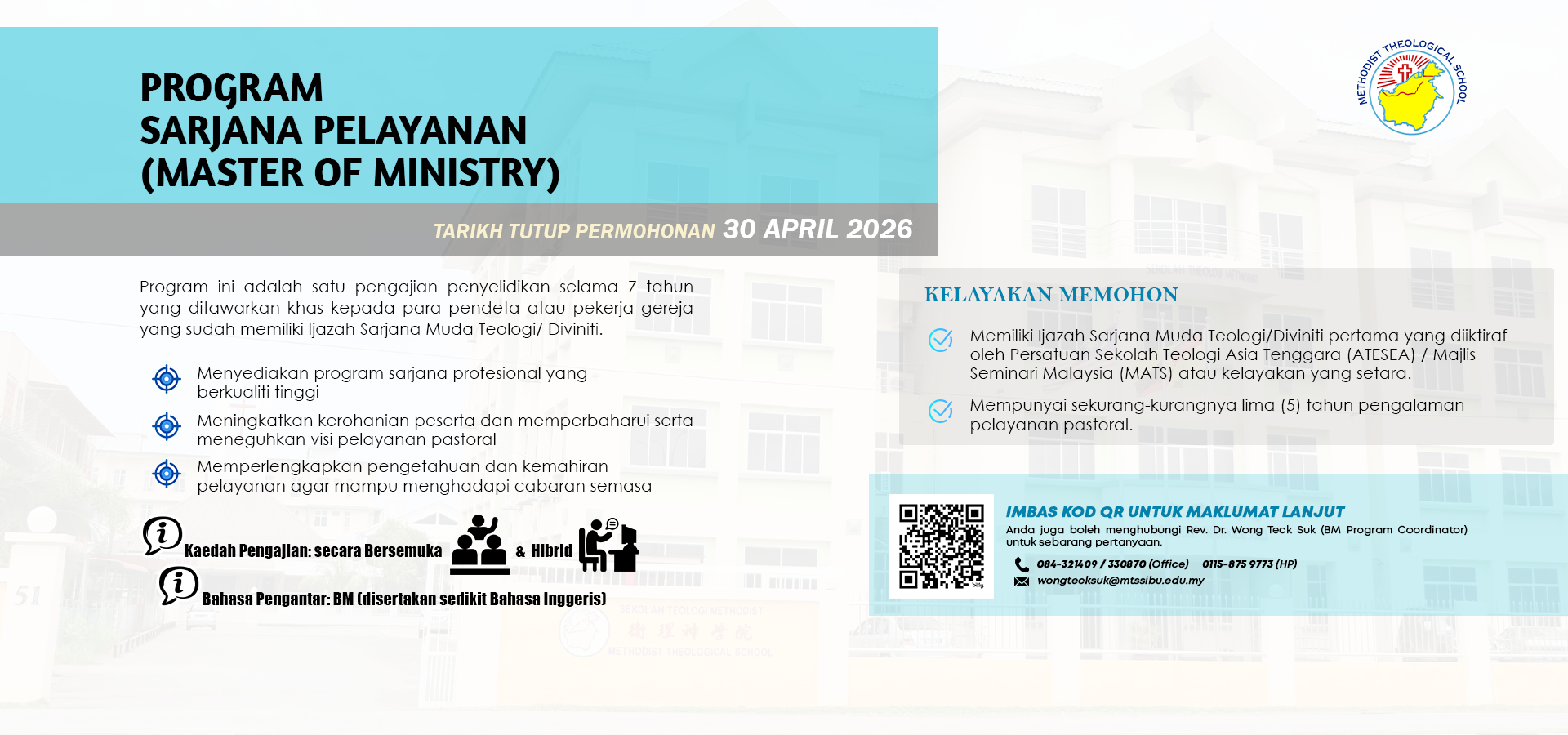
2. Degree Development: We have Started Master of Divinity and Master of Ministry courses. We may start Master of Theological Studies program for those who have the first theological degree by offering modular courses. We may have twin programs with other Seminaries or colleges.
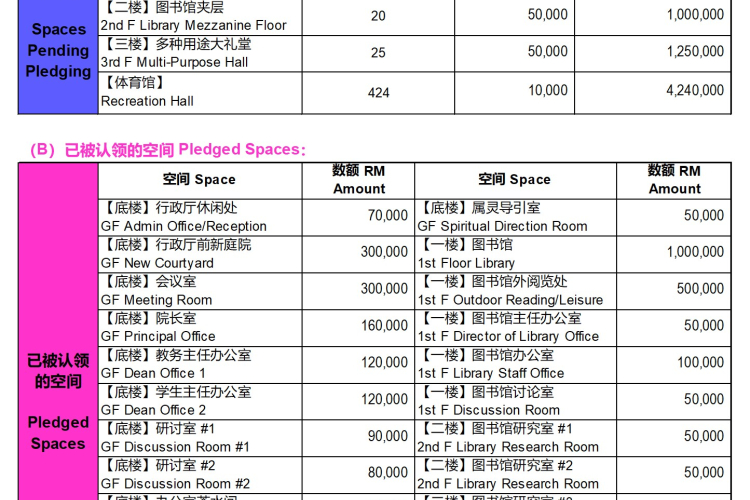
3. Library Development: At present, we have about 30,000 titles of books. If we purchase 500 to 1000 titles of book a year, then by 2010AD, our library will have about 40,000 titles of books. That means we have to spend about RM25,000 to 50,000 a year on book purchasing.
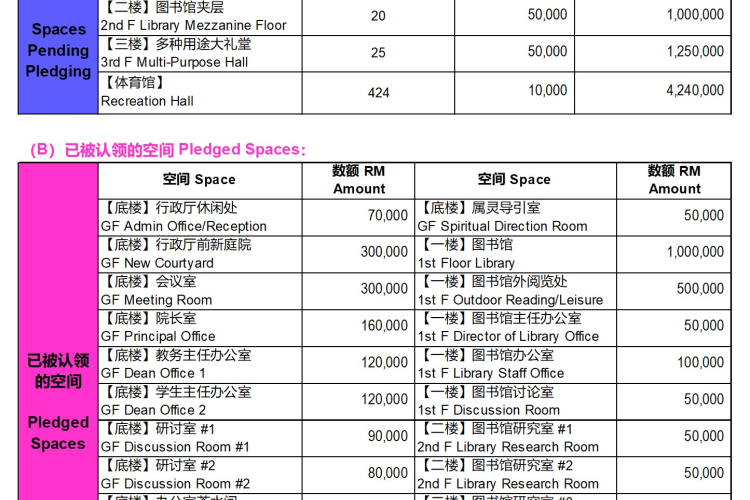
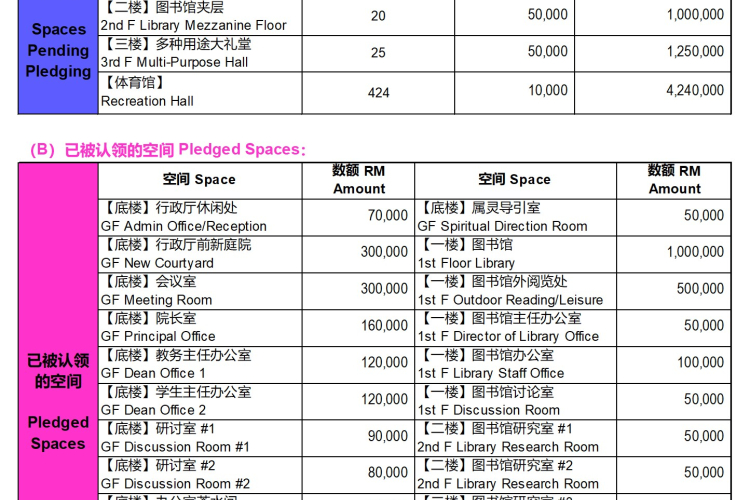
4. Physical development: After completing the Boys and Girls’ hostel, the next phase of development is to build the teachers’ quarters and multi-purpose stadium, with indoor sport facilities, and auditorium and a Music Center.
5. Setting up of Research Unit we decided to make MTS a Centre of Wesleyan Studies in South East Asia. Two steps have been taken:
I. A Wesleyan Centre of Research and Applied / Pratical Theology with the aim to impart the rich heritage, tradition, theology, mission and life of John Wesley to the people called Methodist or to those interested in this area of study; to do research on the history of the local churches; to set up a library and archive to collect all necessary historical books, documents, and to do research on how to build bridges between the church and the society so that the gospel can be rallied to the people more effectively.
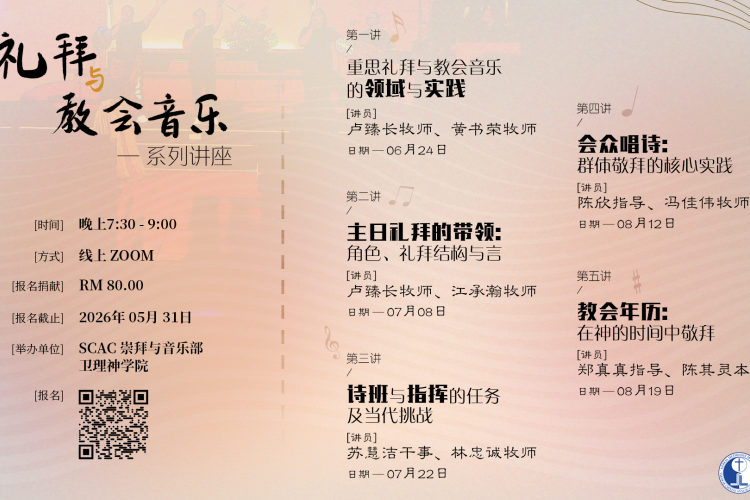
II. A Church Music Program with the aim to provide in-depth studies Wesleyan / Methodist hymns, and training on skills in conducting, accompaniment, song leading and vocal training to help enrich the worship and spiritual life of God’s people. Finally, it will develop into a full Department. We first start B.A. in Worship & Music Program.
6. The school will continue to be the member of the Association for Theological Education in South East Asia (ATESEA) and Malaysia Association of Theological Seminary (MATS). It also plans to be in mission partnership with other Christian Training Centers, Seminaries or Theological Schools, especially in the area of training more missionaries.
 
Conclusion
God has given MTS a very heavy commission to accomplish for the general, SCAC and SIAC in particular, in training Christian workers for His Kingdom in this new century. Apart from The Jesus Christ, and of the Holy spirit, God also calls people of vision and direction to dream, pray and plan for the advancement of a His Kingdom on earth. We are the group / team of people whom God calls and uses in this new century to implement His task. So, let us unite and work together to take up challenges and produce fruitful ministry for the Lord and it is Church.